The Hidden Cost of Progress: Why Your Utility Bill Is Subsidizing the AI Revolution
AI's energy demands are driving record utility rate increases — and the costs aren't falling equally. Here's who's really subsidizing the AI revolution, and why your electric bill keeps climbing no matter how many lights you turn off.
As I meander toward middle age, I've found myself laughing at my transformation into the prototypical suburban dad. Among the many observations my family might share after I've crossed into another dimension of human consciousness, one would undoubtedly be that I cared deeply about conserving electricity. Admittedly, people have a tendency to sanitize the less desirable traits of their loved ones after they're gone.
The thermostat stays at 76 in the summer. In the winter, I encourage sweaters and socks before reaching for the heat. I've participated in weatherization programs, had insulation blown into the walls of my home, installed solar panels, and yet I still find myself trailing behind family members turning off lights. There is no shortage of energy-efficient devices, appliances, or advice, but my electric bill, seemingly inspired by Angelo's famous refrain, continues to rise. All of my efforts amount to only marginal savings.
Come to think of it, I may have introduced my children to Captain Planet less out of environmental consciousness and more out of concern for the utility bill. Somewhere in the back of my mind, I probably assumed that Planeteers would be more inclined to turn off lights when leaving a room, embrace natural sunlight, and dress for the season.
Lately, however, I've come to realize that the "Power Is Yours" mantra isn't holding up particularly well against the economic realities of 2026. It turns out the reason my utility bill, and likely yours, continues to be a source of low-grade existential dread isn't simply because someone forgot to turn off the hallway light. Increasingly, it's because of the enormous and largely invisible energy demands of the artificial intelligence revolution (Kimball, 2026; Energy & Environmental Study Institute, 2026).
The Elephant in the Power Grid
While much of the public conversation around artificial intelligence has focused on soaring stock prices and techno`logical breakthroughs, investors are beginning to warn that AI-driven inflation may be one of the most overlooked economic risks of 2026 (Rovnick & Krauskopf, 2026; Kimball, 2026). Even Federal Reserve Chair Jerome Powell has acknowledged the unprecedented scale of data-center construction occurring across the country, noting that this physical buildout is putting upward pressure on the cost of materials and services required to support it (Roytburg, 2026).
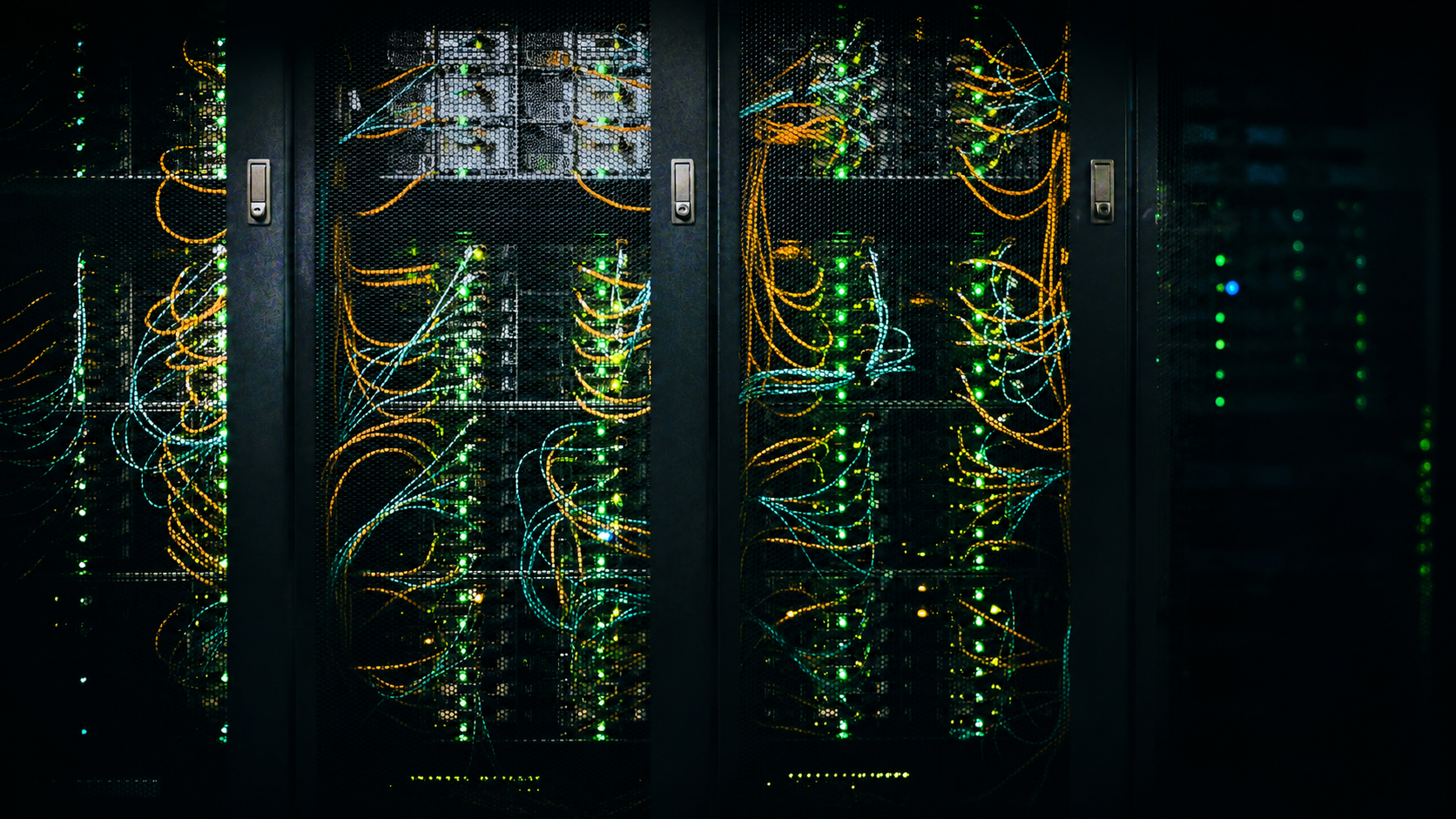
The numbers are difficult to ignore. Electricity prices increased by 6.9% in 2025, more than double the overall inflation rate of 2.9% (Kimball, 2026). Analysts estimate that data centers now account for approximately 40% of growth in electricity demand nationwide (Kimball, 2026). To meet that demand, utilities sought nearly $31 billion in rate increases during 2025 alone, a record that is more than twice the amount requested the previous year (PowerLines, 2026).
What makes this trend particularly troubling is that the costs and benefits are not distributed evenly. According to Yale Climate Connections, residential electricity prices in the United States increased roughly 25% between 2020 and 2024 (Yale Climate Connections, 2026). During the same period, large commercial and industrial users—including some data centers—have often benefited from discounted rates and incentive agreements designed to attract investment (Yale Climate Connections, 2026; Energy Innovation Policy & Technology, 2026). At the same time, many low-income households already devote more than 6% of their income to energy costs, with some facing “severe” energy burdens in excess of 10% or even higher (American Council for an Energy-Efficient Economy, 2024; Acadia Center, 2025). In other words, the communities least likely to benefit from the economic gains associated with the AI boom are often the ones most exposed to its costs (ACEEE, 2024; EESI, 2026).
Closer to home, New Jersey residents have felt these increases directly. The New Jersey Board of Public Utilities approved residential electric rate increases of roughly 17% to 20% beginning in June 2025 (SolarReviews, 2025; New Jersey Board of Public Utilities, 2025). For a typical PSE&G customer using around 650 kWh per month, the utility estimated monthly electric residential electricity prices would increase by approximately $27 following the 2025 rate adjustment, raising the electric portion of the bill to about $183 per month (PSE&G, 2025). Depending on usage patterns and additional charges, many households are now seeing electric bills approach or exceed $200 per month (SolarReviews, 2025; New Jersey Policy Perspective, 2026).
A Massive Wealth Transfer Hiding in Plain Sight
This isn't simply a technical or infrastructure issue. It is also a question of who bears the cost of technological progress. Utilities argue that grid upgrades are necessary to meet rising demand and maintain reliability. Critics counter that when utilities invest billions to accommodate the energy needs of some of the world's largest technology companies, including Microsoft, Meta, and Alphabet, ordinary ratepayers are often left subsidizing those investments through higher utility bills (Kimball, 2026; EESI, 2026; Institute for Local Self-Reliance, 2026). Some consumer advocates and watchdog organizations have described this dynamic as a form of wealth transfer from households to corporations with market capitalizations measured in trillions of dollars (Yale Climate Connections, 2026; New Jersey Policy Perspective, 2026).
For households with comfortable incomes, these increases may be frustrating but manageable. For low-income families, seniors living on fixed incomes, and individuals already struggling with housing, food, and healthcare costs, the impact is far more severe. Energy expenditures consume a larger share of household budgets for lower-income families, meaning rate increases function as a regressive expense that disproportionately burdens those least able to absorb them (ACEEE, 2024; Acadia Center, 2025). A six percent increase in an electric bill may barely register for some households. For others, it means making difficult tradeoffs between keeping the lights on, filling prescriptions, buying groceries, or paying rent (NYC Comptroller, 2026).
The Ripple Effect: From Data Centers to Dinner Tables
The costs associated with AI infrastructure do not stop at the utility meter. Hospitals, grocery stores, restaurants, manufacturers, and other businesses also face rising electricity costs. Those expenses eventually work their way into the prices consumers pay for food, healthcare, goods, and services (Kimball, 2026; PowerLines, 2026). At the same time, the unprecedented demand for data-center construction is creating competition for labor, concrete, steel, electrical equipment, and other critical inputs. AI companies are often willing to pay premium prices to secure these resources, which can increase costs for other infrastructure projects and local development efforts (Roytburg, 2026; Bloomberg, 2025). The result is a broader inflationary pressure that extends far beyond the technology sector and places additional strain on an already pressured consumer economy (Blank & Hadley, 2026; Kimball, 2026).
The Hidden Health Consequences
Given my inclination toward an ecological and intersectional perspective, I'd be remiss if I didn't highlight another often-overlooked consequence of rising energy costs: health. When utility costs increase, households do not simply spend more money. Many reduce their use of heating or cooling to keep bills manageable, a form of energy insecurity that has direct health implications (ACEEE, 2024; NYC Comptroller, 2026). For individuals with chronic health conditions, that decision can have serious consequences.
Extreme heat poses elevated risks for people living with cardiovascular disease, asthma, chronic obstructive pulmonary disease (COPD), diabetes, chronic kidney disease, and a range of mental health conditions (World Health Organization, 2026; National Academy of Medicine, 2025). Individuals living with obesity, autoimmune diseases such as lupus and rheumatoid arthritis, poor circulation, high blood pressure, and migraine disorders may also be particularly vulnerable to prolonged heat exposure (HeatReadyCA, 2025; Harvard Health Publishing, 2025).
Cold weather presents its own risks. Asthma symptoms can worsen when exposed to cold air, and many individuals with arthritis or chronic pain conditions report increased discomfort during colder months (Harvard Health Publishing, 2025). Even when chronic conditions are otherwise well managed, rapid temperature fluctuations can affect breathing, hydration, circulation, medication effectiveness, and overall physiological functioning (WHO, 2026; NAM, 2025). In this sense, rising utility costs become more than an economic issue. They become a public health issue.
The burden is not distributed equally. Older adults, individuals with disabilities, people with chronic illnesses, and lower-income households are often the most vulnerable to both energy insecurity and climate-related health impacts (ACEEE, 2024; WHO, 2026; NAM, 2025). Once again, those with the fewest resources bear the greatest costs.
The Fight for Fair Rates
There are signs that policymakers are beginning to pay attention. Federal lawmakers have introduced the Guaranteeing Rate Insulation From Data Centers (GRID) Act, legislation intended to prevent the costs associated with serving large data centers from being shifted onto residential customers (Hawley & Blumenthal, 2026; NBC News, 2026). The bill would require large new data centers to secure dedicated, off-grid power sources over time and seeks to guarantee that consumer utility prices do not increase as a result of data-center demand (Hawley & Blumenthal, 2026; E&E News, 2026). Some technology companies, including Anthropic, have also signaled a willingness to assume a greater share of the costs associated with their electricity demand, though the long-term details remain unclear (Rogelberg, 2026).
Whether these efforts ultimately succeed remains to be seen. Until then, I'll probably continue following my children through the house, turning off lights and muttering about the thermostat. But I've also come to understand that no amount of weatherization, insulation, or rooftop solar can fully shield households from the consequences of a global technological arms race whose costs are increasingly socialized while its benefits remain highly concentrated (Kimball, 2026; Yale Climate Connections, 2026).
So the next time you use AI to draft an email, generate a social media post, or answer a question, it may be worth considering the cumulative impacts of millions of similar interactions occurring every day. Individual choices alone will not determine our future. Systems, incentives, and policy decisions matter far more. Yet those choices are unfolding in a world already racing toward the Paris Agreement's two most consequential climate thresholds: limiting warming to 1.5°C, the level associated with substantially lower climate risks, and avoiding 2°C of warming, where many impacts become significantly more severe and potentially irreversible (IPCC, 2023; NAM, 2025).
The question is not whether artificial intelligence will reshape society. It already is. The question is whether we are willing to have an honest conversation about who pays for that transformation and who benefits (Rovnick & Krauskopf, 2026; Rogelberg, 2026).
References
Acadia Center. (2025). New York’s household energy burden imperative: Challenges and solutions.
American Council for an Energy-Efficient Economy. (2024). Energy burden research.
Blank, D. B., & Hadley, B. (2026, June 1). It’s not just high gas prices. The Washington Post.
Bloomberg News. (2025, September 28). AI data centers are sending power bills soaring.
Energy & Environmental Study Institute. (2026, February 23). Data center power demands are contributing to higher energy bills.
Harvard Health Publishing. (2025, January 31). How winter affects chronic conditions.
Hawley, J., & Blumenthal, R. (2026, February 10). Hawley, Blumenthal introduce bill to prevent data centers from increasing electricity costs for American families [Press release].
Institute for Local Self-Reliance. (2026). Data centers, utility incentives, and local energy equity (Issue brief).
Kimball, S. (2026, February 12). Electricity prices rising by double the rate of inflation. Data center demand means no relief ahead, analysts say. CNBC.
National Academy of Medicine. (2025, April 14). Health impacts of climate change (Summary).
New Jersey Board of Public Utilities. (2025, February 12). Basic Generation Service (BGS) auction results and 2025 residential electric rate changes [Press release].
New Jersey Policy Perspective. (2026, March 30). AI data centers drive 20% electric bill spike, cost New Jersey families billions.
New York City Office of the Comptroller. (2026, June 10). Record highs: Tackling energy insecurity in the heat of the climate crisis.
PSE&G. (2025, February 12). Residential electric rate increase notice (BGS electric rate increase customer letter).
PowerLines. (2026, January 28). Utilities requested record $31 billion in rate increases in 2025, double that of 2024.
Rogelberg, S. (2026, February 13). Middle-class Americans are paying for the data center and AI boom with higher electric bills and even food costs, Goldman Sachs warns. Fortune.
Rovnick, N., & Krauskopf, L. (2026, January 5). AI-driven inflation is 2026’s most overlooked risk, investors say. New Orleans CityBusiness.
Roytburg, E. (2026, March 19). Jerome Powell says you’re right to blame data centers for making your bills more expensive: “probably pushing inflation up”. Fortune.
SolarReviews. (2025). 2025 NJ electric rates: Average bill and ways to save.
World Health Organization. (2026, April 27). Heat and health (Fact sheet).
Yale Climate Connections. (2026, February 3). Why American homeowners are paying more for electricity (Analysis summary).